





“What if you could take away everyone’s suffering?”
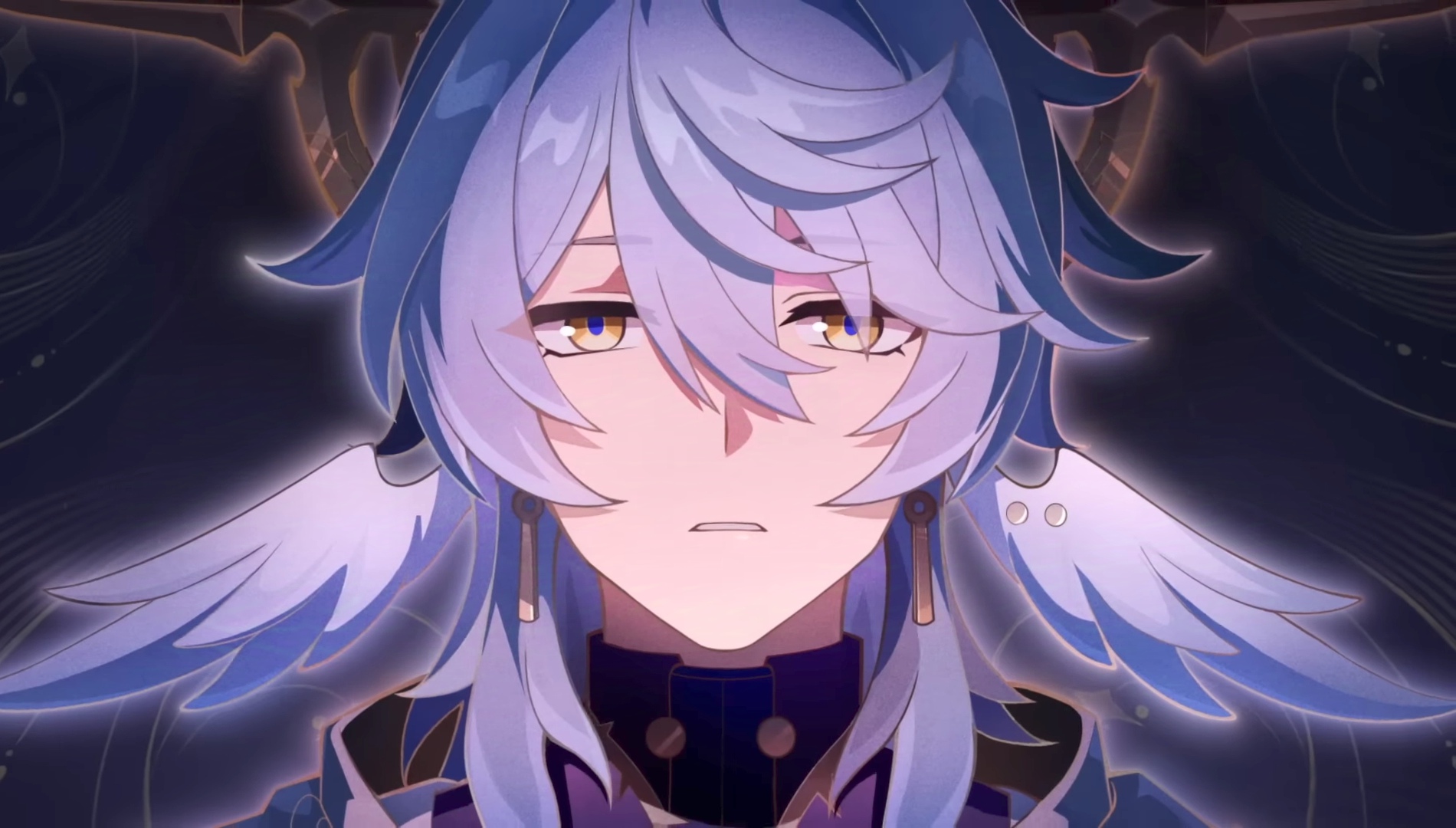
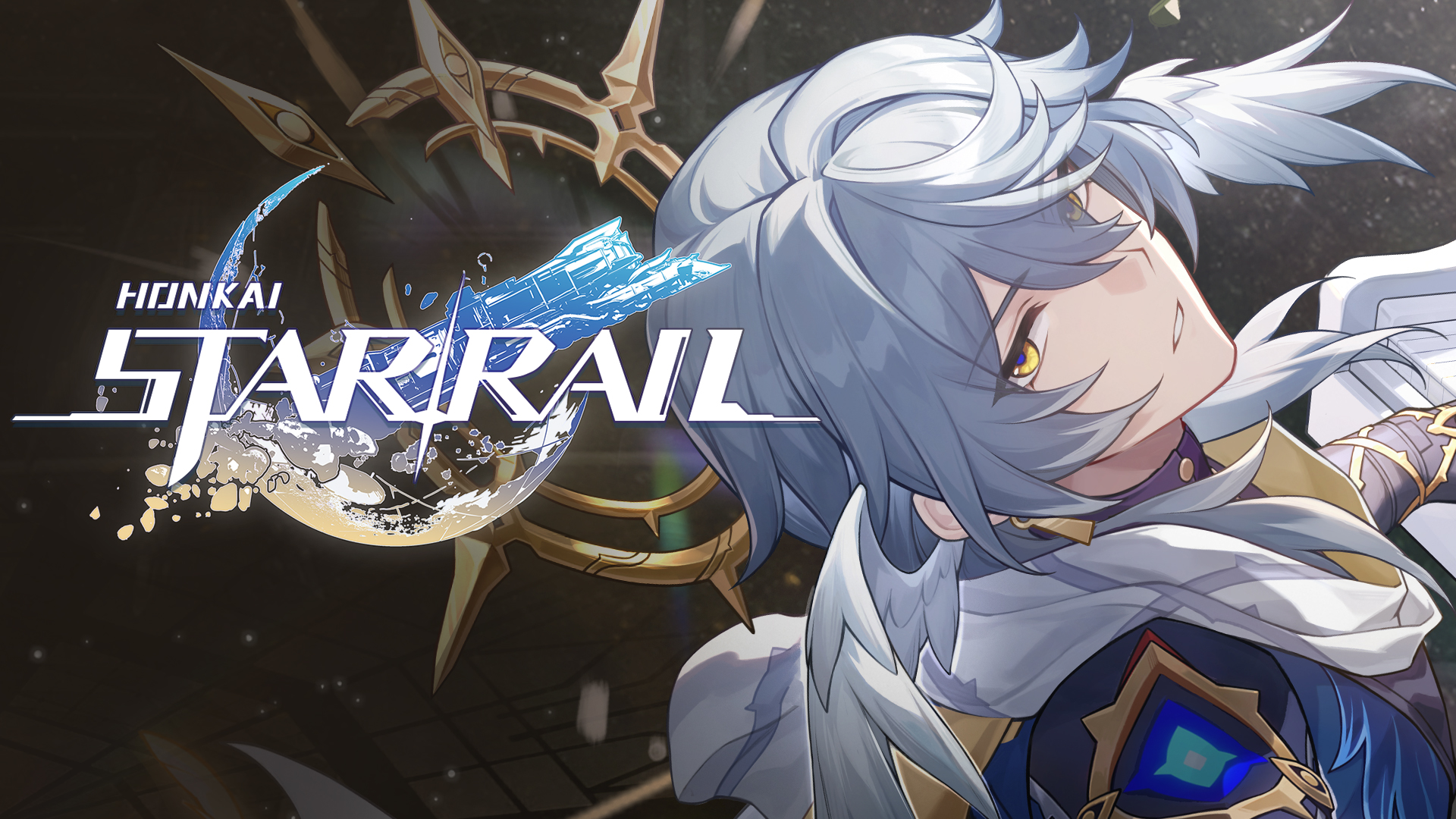
Most people would probably say yes. Sunday from Honkai Star Rail most certainly would.
If you’re the designated “therapist friend” who constantly carries everyone else’s burdens, this might sound a little too familiar.
As the former leader of Penacony’s Oak Family, Sunday’s downfall didn’t stem from hatred or selfishness but was caused by love without limits. Throughout Penacony’s story, Sunday’s greatest wish is not power or glory, but peace. He cannot bear to watch others suffer, so he tries to eliminate suffering entirely. Devastated by the world’s inherent cruelty, he sought to trap humanity in an eternal, painless dream. He is even willing to bear the burden himself if it means everyone else can be happy.
In doing so, he unintentionally denies people the freedom to make choices, face challenges, and grow through them.
On the surface, this sounds compassionate.
But psychology suggests that trying to carry everyone’s pain can become unhealthy. Sunday also believes suffering can be eliminated if everyone remains within his perfect dream. His story also reflects how perfectionism often stems from fear rather than excellence. When we become obsessed with preventing mistakes or pain, we can unintentionally sacrifice freedom, growth, and authenticity.
When helping becomes too much
Psychologists use the term ‘pathological altruism’ to describe situations where the desire to help others unintentionally causes harm. Sunday’s intentions are genuine: he wants to save everyone, but his compassion gradually transforms into control. Instead of allowing people to choose their own paths, make mistakes, and grow from hardship, he decides that he alone should determine what happiness looks like.
On the other hand, Sunday’s paternalistic altruism convinces him that he knows what is best for everyone, ultimately denying them the freedom to make choices.
Both paternalistic altruism and pathological altruism sound the same, and often describe well-intentioned helping behaviors that go wrong, differing primarily in whether the driver is authority-based control or hyper-empathy. Paternalistic altruism imposes a superior’s view of welfare on others, while pathological altruism involves self-harming or counterproductive selflessness driven by flawed cognitive processing or emotional distress.
This is also linked to over-responsibility, where someone feels personally responsible for everyone else’s wellbeing. When you become the “therapist friend,” do remember that you don’t need to solve every problem, absorb everyone’s emotions. Be there to listen and help them along as they discover solutions that works for themselve.
Suffering is part of growth
Sunday believes that a world without suffering is a better world. Yet psychological research on resilience and post-traumatic growth suggests that while suffering is painful, overcoming challenges can strengthen our confidence, deepen our relationships, and help us discover new meaning in life.
This doesn’t mean suffering is good.
It means that protecting people from every hardship may also prevent them from growing through it.
By trying to remove everyone’s pain, Sunday unintentionally removes something equally important: their freedom to choose, learn, and become stronger.
Perhaps the lesson from Sunday’s story is this: You don’t have to carry everyone else’s burdens to prove you care. He too learns this at the end of Penacony’s arc, and by letting go of his need to bear humanity’s suffering alone, he also lets go of the endless dream he created. By releasing everyone from that dream, Sunday acknowledges a difficult truth: suffering is part of being human, and so is the ability to overcome it.
Sometimes, the greatest act of love isn’t taking someone’s pain away, but walking beside them while they learn they are strong enough to carry it themselves.
Click here to join our chat and support groups based on your interests:
Disclaimer

Shadee.Care website is provided for educational and informational purposes only and does not
constitute providing professional services nor advise. The information provided should not be used
for diagnosing or treating a mental health problem or disease, and those seeking personal advice
should consult with a licensed therapist.
If you have suicidal thoughts, this is an emergency, please call SOS 1767 immediately. For Singapore
only.
While we hope you will share the information in this website, the content should not be copied and
reproduced in any form without the permission of Shadee.Care.  Read more on Terms and
Conditions of use.